Blog

  /  

Fire table fuel options: A landscaper's guide to propane, natural gas, and bioethanol

Opções de combustível para mesas de fogo: Guia para paisagistas sobre propano, gás natural e bioetanol

Compare os combustíveis de propano, gás natural e bioetanol para mesas de fogo. Descubra qual opção se adequa aos requisitos de instalação, orçamento e necessidades do cliente do seu projeto paisagístico.
Published:

Loading image...

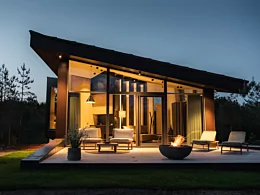
thumbnail: esf-mix-850-fire-pit-dharma-resort-1.pngModern outdoor living space with the contemporary Mix 850 fire pit creating warmth and atmosphere on a patio beside a glass-walled home © dharmaresort.ee. Photo: Priidu Saart. saartvisuals.com

Loading image...
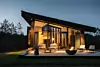
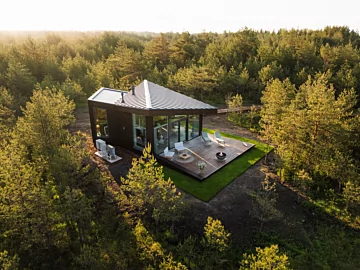
thumbnail: esf-mix-850-fire-pit-dharma-resort-177.pngModern outdoor living space with the contemporary Mix 850 fire pit creating warmth and atmosphere on a patio beside a glass-walled home © dharmaresort.ee. Photo: Priidu Saart. saartvisuals.com

Todo projeto paisagístico tem um momento em que os olhos do cliente brilham ao mencionar um elemento de fogo. É o elemento que transforma um espaço exterior de funcional a inesquecível. Mas por trás dessa visão está uma decisão crítica que moldará o sucesso do projeto: que tipo de combustível alimentará a chama?

Para profissionais de paisagismo, a seleção de combustível não é simplesmente sobre potência térmica ou estética. Trata-se de compreender limitações de infraestrutura, gerenciar expectativas do cliente e entregar instalações que funcionem perfeitamente por anos. A escolha errada pode significar retrofits caros, clientes decepcionados ou complicações de segurança que mancham sua reputação.

Este guia esclarece a confusão em torno de propano, gás natural e mesas de fogo a bioetanol. Você descobrirá as especificações técnicas, requisitos de instalação e considerações práticas que mais importam ao especificar elementos de fogo para projetos residenciais e comerciais. Seja projetando um refúgio íntimo no pátio ou um extenso complexo hoteleiro, compreender essas opções de combustível ajudará você a fazer recomendações que encantam clientes e demonstram sua expertise.

Understanding fire table fuel fundamentals

The fuel powering a fire table influences far more than flame height. It determines installation complexity, ongoing maintenance requirements, operating costs, and even where the feature can be positioned within a landscape design. Getting this decision right from the outset saves time, protects margins, and builds client trust.

How fuel choice shapes project outcomes

Every fuel type brings distinct characteristics that ripple through the entire project lifecycle. Propane offers portability but requires tank management. Natural gas delivers unlimited supply but demands infrastructure investment. Bioethanol provides unmatched placement flexibility but operates at different heat thresholds than gas alternatives.

These differences affect your scope of work, the trades you'll need to coordinate with, and the ongoing relationship you'll have with your client. A residential installation with existing gas infrastructure presents very different opportunities than a remote commercial venue without utility connections.

Key factors landscapers must evaluate

Before recommending any fuel type, assess the site's existing infrastructure, the client's usage patterns, and local regulatory requirements. Consider questions like: Does the property have natural gas service? Is the fire table position fixed or might the client want flexibility? Will the feature be used primarily for ambiance or as a heat source during cooler months?

According to industry guidance from the Landscape Industries Association, fire features rank among the top five most requested outdoor living elements, yet they also generate significant callback rates when fuel selection doesn't align with client expectations.

Client expectations vs practical realities

Clients often arrive with Pinterest-worthy visions but limited understanding of what different fuel types require. Your role is to translate their aesthetic goals into practical recommendations. Some clients imagine the romance of flickering flames but haven't considered where they'll store propane tanks. Others assume natural gas installation is straightforward, unaware of the trenching and permits involved.

Setting realistic expectations early prevents disappointment later. When you explain the trade-offs clearly, clients appreciate your expertise and trust your guidance on the details that matter.

Propane fire tables: Portable power for versatile projects

Loading image...

thumbnail: esf-vertigo-40-fire-table-outdoor-patio-a-gas.pngEcoSmart Fire Vertigo 40 Fire Table at Seouchon Hub patio, freestanding gas fire table enhancing outdoor ambience.

Propane remains the most popular fuel choice for fire tables, and for good reason. It combines meaningful heat output with installation flexibility that gas-line dependent options simply cannot match. For landscapers, propane fire tables often represent the path of least resistance, particularly for retrofit projects or properties without natural gas service.

How propane fire tables work

Propane fire tables connect to standard liquid propane cylinders, typically 9kg (20lb) tanks that fit discreetly within the table's base or in a nearby concealed location. A regulator controls gas flow to the burner, where electronic or manual ignition systems bring the flame to life.

Most quality propane fire tables produce between 40,000 and 65,000 BTU/h, generating substantial warmth that extends the usability of outdoor spaces well into cooler evenings. At maximum output, a standard tank provides approximately 8 to 20 hours of burn time, depending on flame height settings and ambient conditions.

Installation considerations for landscapers

The beauty of propane installations lies in their simplicity. There's no need to coordinate with gas fitters or obtain plumbing permits. You can position the fire table virtually anywhere within the landscape design, provided you maintain appropriate clearances from combustible materials and structures.

However, consider the practical aspects of tank access. Clients will need to exchange or refill tanks periodically, so ensure the storage location is accessible without disrupting the landscape aesthetic. Many premium fire tables feature integrated tank compartments that keep cylinders hidden while allowing easy access for replacement.

"When specifying propane fire features, always discuss tank logistics with your client upfront," advises the National Fire Protection Association's guidance on outdoor gas appliances. "Understanding refill frequency and storage preferences prevents frustration after installation."

Best applications for propane fire tables

Propane excels in scenarios where flexibility matters most. Rental properties benefit from the ability to reposition features as needs change. Properties without natural gas service gain access to high-output fire features that would otherwise require significant infrastructure investment. Clients who entertain in different areas of their garden appreciate the option to relocate their fire table seasonally.

Commercial installations in locations with limited infrastructure, such as wineries, rural event venues, or temporary hospitality setups, often rely on propane for its self-contained operation.

Propane advantages and limitations

Advantages:
Propane delivers immediate installation without infrastructure requirements. It produces substantial heat output suitable for cooler climates. The fuel is widely available at hardware stores, service stations, and dedicated suppliers. Equipment costs typically run lower than natural gas alternatives, and the ability to relocate installations adds long-term value.

Limitations:
Tank management requires ongoing attention. Clients must monitor fuel levels and arrange refills or exchanges. Operating costs exceed natural gas over time, particularly for frequent users. Some regions impose restrictions on propane storage or usage, especially in multi-dwelling developments or bushfire-prone areas.

Mesas de fogo a gás natural: A solução de instalação permanente

Loading image...

thumbnail: mad-gin-90-low-fire-table-outdoor-private-residence-2.pngEcoSmart Gin 90 Low Fire Table brings a contemporary touch to an outdoor private residence with a sleek freestanding gas centrepiece. © @damarisurizardesign

Para clientes que buscam um elemento de fogo sem manutenção com fornecimento ilimitado de combustível, o gás natural representa a escolha premium. O investimento inicial mais elevado é recompensado através de custos operacionais mais baixos e a conveniência de nunca ficar sem combustível durante uma reunião.

Requisitos de conexão de gás natural

As mesas de fogo a gás natural conectam-se diretamente ao fornecimento de gás da propriedade através de tubulações dedicadas. Isso requer coordenação com um instalador de gás licenciado que avaliará a capacidade de fornecimento, instalará linhas de tamanho apropriado até a localização da mesa de fogo e garantirá que todas as conexões estejam em conformidade com as normas relevantes.

O dimensionamento da linha de gás é de importância significativa. De acordo com as especificações da indústria, uma linha de ¾ de polegada a 18 metros (60 pés) pode fornecer até aproximadamente 138.000 BTU, enquanto uma linha de 1 polegada a 38 metros (125 pés) fornece cerca de 175.000 BTU. Linhas subdimensionadas resultam em altura de chama decepcionante e produção de calor reduzida, portanto cálculos precisos durante a fase de planejamento são essenciais.

Trabalhando com profissionais de gás

Como paisagista, seu papel envolve coordenação em vez de execução quando se trata de infraestrutura de gás. Estabeleça relacionamentos com instaladores de gás licenciados confiáveis em sua área que compreendam os requisitos específicos de elementos de fogo externos. Forneça-lhes as especificações do fabricante, incluindo requisitos de BTU e pressões de entrada recomendadas, bem antes do dia da instalação.

Incorporar isso no cronograma do seu projeto evita atrasos. Trabalhos com gás geralmente requerem autorizações e inspeções que podem estender os cronogramas do projeto em dias ou semanas, dependendo dos tempos de processamento das autoridades locais.

Benefícios de custo e desempenho a longo prazo

Embora as instalações de gás natural exijam um investimento inicial maior, a economia operacional muda drasticamente ao longo do tempo. O gás natural custa significativamente menos por BTU do que o propano, e muitos proprietários relatam que mal percebem o impacto em suas contas de serviços públicos, mesmo com uso frequente.

"Para clientes que planejam usar seu elemento de fogo regularmente, o gás natural tipicamente se torna mais econômico dentro do primeiro ou segundo ano de propriedade", observa a orientação da Gas Appliance Manufacturers Association. "A eliminação da gestão de tanques também adiciona um valor de estilo de vida que é difícil de quantificar."

As mesas de fogo a gás natural também oferecem desempenho consistente. Não há queda gradual de pressão como quando um tanque se esvazia, o que significa que a altura da chama e a produção de calor permanecem estáveis durante cada uso.

Vantagens e limitações do gás natural

Vantagens:O fornecimento ilimitado de combustível elimina completamente a gestão de tanques. Custos operacionais contínuos mais baixos beneficiam usuários frequentes. Pressão constante oferece desempenho de chama confiável. A instalação permanente agrega valor à propriedade e sinaliza qualidade.

Limitações:Os requisitos de instalação profissional aumentam substancialmente os custos iniciais. A posição da mesa de fogo torna-se fixa após a instalação das linhas de gás. Propriedades sem serviço de gás existente enfrentam investimento significativo em infraestrutura. Os prazos de instalação se estendem devido aos requisitos de autorização e inspeção.

Mesas de fogo a bioetanol: Combustão limpa e liberdade de design

Loading image...

thumbnail: esf-manhattan-50-ysm-house-3.pngEcoSmart Fire Manhattan 50 Fire Table creates a modern centrepiece in YSM House with a sleek indoor ethanol fireplace installation. © Moran Gozali Interior Architecture / Photo: Ruslan & Gali Paul

O bioetanol representa a opção de combustível mais versátil disponível, oferecendo uma flexibilidade de instalação que nem o propano nem o gás natural podem igualar. Para projetos orientados ao design onde estética e opções de posicionamento têm prioridade, as mesas de fogo a bioetanol abrem possibilidades que as opções convencionais a gás simplesmente não conseguem alcançar.

Entendendo o bioetanol como fonte de combustivel

O bioetanol e um combustivel renovavel derivado de acucares vegetais fermentados, tipicamente provenientes de milho, cana-de-acucar ou trigo. Quando queimado, produz apenas calor, vapor de agua e quantidades minimas de dioxido de carbono, aproximadamente equivalentes a quantidade exalada por algumas pessoas em conversacao. Nao ha fumaca, nem fuligem, nem emissoes nocivas que exijam ventilacao.

Esta caracteristica de combustao limpa distingue o bioetanol de todos os outros combustiveis para mesas de fogo. E a unica opcao que pode operar com seguranca em ambientes internos quando usada com equipamento apropriado e em espacos adequadamente ventilados.

Flexibilidade de instalacao e opcoes de posicionamento

Sem linhas de gas ou tanques volumosos para acomodar, as mesas de fogo a bioetanol podem ser posicionadas virtualmente em qualquer lugar. Terracos em cobertura, patios internos, varandas cobertas e ate espacos internos tornam-se locais viaveis. Esta flexibilidade permite que paisagistas e designers integrem elementos de fogo em espacos onde restricoes de infraestrutura os tornariam impossiveis de outra forma.

O processo de instalacao em si nao requer profissionais especializados. As mesas de fogo a bioetanol chegam prontas para uso, com o queimador simplesmente abastecido a partir de garrafas de combustivel usando os acessorios inclusos. Nao ha conexoes a fazer, autorizacoes a obter nem inspecoes continuas necessarias.

Versatilidade interior-exterior

A combustao limpa do bioetanol o torna o unico combustivel para mesas de fogo adequado para aplicacoes internas. Fabricantes que produzem de acordo com normas como UL 1370 e EN 16647 certificam modelos especificos para uso interno, tipicamente com requisitos de volumes minimos de ambiente e a inclusao de bandejas de seguranca.

Esta versatilidade cria oportunidades atraentes para projetos que abrangem zonas internas e externas. Uma area alfresco coberta que funciona como extensao do espaco interior pode apresentar uma mesa de fogo a bioetanol que opera independentemente das condicoes climaticas, sem as preocupacoes de ventilacao que proibiriam as alternativas a gas.

Queimadores de bioetanol premium, como aqueles com capacidade de 8 litros, entregam aproximadamente 20.000 BTU/h e queimam por 7 a 9 horas por abastecimento. Queimadores maiores oferecem tempos de queima estendidos de 8 a 13 horas com producao de calor ligeiramente menor, otimizada para ambiente em vez de aquecimento de espacos.

Bioethanol advantages and limitations

Advantages:
Complete installation flexibility with no infrastructure requirements. Indoor and outdoor capability from a single fuel type. Clean burning produces no smoke, soot, or harmful emissions. Renewable fuel source appeals to environmentally conscious clients. Elegant, modern aesthetic suits contemporary design.

Limitations:
Lower heat output than gas alternatives makes bioethanol better suited for ambiance than primary heating. Fuel costs exceed natural gas, though they remain comparable to propane for moderate use. Manual refilling required between uses. Burn time limited by reservoir capacity.

Fuel comparison at a glance

Making confident recommendations requires clear understanding of how each fuel type performs across the factors that matter most to your clients and your projects. The following comparison synthesises the key specifications and practical considerations.

Heat output and performance comparison

SpecificationBioethanol (8L Burner)Bioethanol (9L Burner)Liquid PropaneNatural Gas
Heat Output20,433 BTU/h (5.99 kW)15,000 BTU/h (4.4 kW)65,000 BTU/h (19 kW)65,000 BTU/h (19 kW)
Fuel Capacity8L (2.1 gal)9L (2.4 gal)Self-contained tankUnlimited supply
Burn Time7–9 hours8–13 hours8–20 hoursUnlimited
Indoor UseYes (with safety tray)Yes (with safety tray)No, outdoor onlyNo, outdoor only
InstallationNo connections requiredNo connections requiredRegulator/tank setupLicensed plumber required

Gas options deliver substantially higher heat output, making them preferable for clients prioritising warmth during cooler months. Bioethanol suits projects where ambiance, design flexibility, or indoor capability take precedence over raw heating power.

Installation and infrastructure requirements

Propane and bioethanol share the significant advantage of requiring no permanent infrastructure. A landscaper can install these fire tables as part of standard project delivery without coordinating additional trades or navigating permit processes.

Natural gas demands more complex project management. Budget for gas fitting costs, permit fees, and inspection time when quoting these installations. The infrastructure investment locks the fire table position, so thorough discussion with clients about optimal placement is essential before committing to gas line routes.

Ongoing costs and maintenance

Natural gas offers the lowest ongoing fuel costs for frequent users, often adding negligible amounts to existing utility bills. Propane costs more per hour of operation but avoids upfront infrastructure investment. Bioethanol fuel pricing sits between the two, with the convenience of simple bottle purchases offsetting higher per-hour costs.

Maintenance requirements remain minimal across all fuel types. Gas installations benefit from annual inspections by qualified technicians. Propane systems require periodic regulator and hose checks. Bioethanol burners need only occasional cleaning and use of quality fuel to maintain optimal performance.

Environmental and safety considerations

All three fuel types burn cleanly compared to wood, producing no particulate matter or visible smoke. Bioethanol offers the strongest environmental credentials as a renewable fuel source, with some studies indicating 59% to 86% lower greenhouse gas emissions compared to fossil fuel equivalents.

Safety certifications provide important assurance. Quality fire tables carry listings to standards such as UL 1370, ANSI Z21.97, and EN 16647, confirming they meet rigorous safety requirements for their intended applications.

Multi-fuel fire tables: Future-proofing your installations

One of the most valuable developments in fire table design is the emergence of products that accommodate multiple fuel types. These versatile units allow clients to change fuel sources without replacing the entire fire table, providing flexibility that conventional single-fuel options cannot match.

What are multi-fuel fire tables?

Multi-fuel fire tables are engineered to accept different burner configurations. A single fire table surround and frame can be ordered with bioethanol, propane, or natural gas burners, with conversion possible by swapping burner components rather than replacing the entire unit.

This design philosophy recognises that client circumstances change. A property might gain natural gas service years after initial installation, or a homeowner might relocate their fire table and lose access to gas infrastructure. Multi-fuel capability protects the investment against these eventualities.

When to recommend flexible fuel options

Consider multi-fuel fire tables for clients facing uncertain infrastructure situations. Properties in developing areas may gain utility services over time. Clients who relocate frequently benefit from equipment that adapts to different properties. Commercial operators appreciate the ability to optimise fuel choice based on operational requirements.

For premium residential projects, multi-fuel capability signals quality and forward thinking. It demonstrates that you've considered your client's long-term interests, not just immediate project requirements.

Specification and ordering considerations

When ordering multi-fuel fire tables, specify the initial fuel configuration while noting the product's conversion capability in your documentation. Ensure clients understand which components would need replacement for fuel conversion and retain manufacturer contact information for future reference.

Some manufacturers offer conversion kits that include all necessary components for switching between fuel types. Documenting this option at handover adds value to your service and positions you as a resource for future needs.

Matching fuel type to project requirements

With technical specifications understood, the practical question becomes: which fuel type suits which projects? Developing a systematic approach to this decision streamlines your specification process and ensures consistent outcomes.

Residential landscape considerations

Most residential projects present a choice between propane and natural gas, with bioethanol serving specific design opportunities. For properties with existing gas service and clients who value convenience, natural gas delivers the best long-term value. The infrastructure investment typically adds less than anticipated when incorporated into broader landscape construction budgets.

For properties without gas service, or for clients who prioritise flexibility, propane provides excellent performance without infrastructure commitment. Position tank storage thoughtfully, considering both aesthetics and practical access for refilling.

Bioethanol shines in residential projects where design constraints or indoor-outdoor integration create challenges for gas options. Covered entertaining areas, apartment balconies, and architectural features benefit from bioethanol's unique capabilities.

Commercial and hospitality applications

Commercial projects introduce additional considerations including usage intensity, operational efficiency, and regulatory compliance. High-volume hospitality venues typically favour natural gas for its unlimited supply and lower operating costs. A busy restaurant patio burning through multiple propane tanks weekly quickly justifies gas line investment.

However, venues in heritage locations, temporary installations, or properties with complex infrastructure limitations often find bioethanol or propane more practical. The installation flexibility allows fire features in spaces where running gas lines would be prohibitively expensive or physically impossible.

"Fire features in commercial settings need to balance aesthetic impact with operational practicality," notes guidance from the Australian Institute of Landscape Architects. "The best installations consider not just the immediate design vision but the long-term operational reality of the business."

Client consultation framework

Develop a consistent set of questions for client consultations:

  1. Does the property have natural gas service, and where is the nearest connection point?
  2. How frequently do you anticipate using the fire feature?
  3. Is the fire table position fixed, or might you want flexibility to relocate it?
  4. Will the fire feature be used primarily for ambiance or for meaningful heat?
  5. Do you have any interest in indoor fire feature capability, now or in future?
  6. What's your comfort level with ongoing fuel management versus set-and-forget operation?

These questions quickly reveal which fuel type aligns with client priorities, allowing you to make confident recommendations backed by professional reasoning.

Clearance and safety requirements

Fire feature installations carry significant safety responsibilities. Understanding clearance requirements protects your clients, your business, and your professional reputation. While specific requirements vary by jurisdiction and manufacturer, consistent principles apply across all fuel types.

General clearance guidelines

Most fire table manufacturers specify minimum clearances from combustible materials:

LocationMinimum Clearance
Overhead (combustible ceilings, pergolas)1.8m (6 ft) minimum
Sides (combustible structures)610mm (24 in) from sides
Adjacent combustibles below tabletop203mm (8 in) from sides and back
General structure clearance3 to 4.5m (10–15 ft) recommended
Seating distance900mm (3 ft) wood / 380mm (15 in) gas

These figures represent general guidance. Always verify requirements against specific manufacturer documentation and local building codes, as requirements vary by jurisdiction and product certification.

Fuel-specific safety considerations

Propane's heavier-than-air characteristic requires attention to ventilation in enclosed or semi-enclosed spaces. Ensure adequate airflow around tank storage locations and avoid positioning tanks in pits or depressions where leaking gas could accumulate.

Natural gas installations must comply with relevant standards including NFPA 58 for storage and handling, and ANSI Z21.97 for outdoor gas appliances. Licensed gas fitters bear responsibility for code compliance, but as the coordinating professional, understanding these requirements helps you identify potential issues early.

Bioethanol installations require attention to fuel handling procedures. Ensure clients understand never to refill burners while hot, and store fuel in cool, ventilated locations away from ignition sources.

Working with local regulations

Building codes, fire regulations, and planning requirements vary significantly between jurisdictions. Some local authorities require permits for any permanent fire feature installation. Others impose seasonal restrictions during high fire danger periods. Multi-dwelling developments often have specific rules about outdoor fire features.

Make checking local requirements a standard part of your project planning process. Contact your local council or building authority early in the design phase to identify any restrictions or permit requirements that might affect fuel type selection or fire table positioning.

Selecting the right fuel for lasting client satisfaction

The fire table at the heart of your landscape design will become a gathering point for years of memories. Your fuel recommendation shapes not just the installation process, but the ongoing experience your client enjoys every time they gather around the flame.

Propane delivers accessible warmth with minimal infrastructure commitment, perfect for clients who value flexibility or properties without gas service. Natural gas rewards the upfront investment with unlimited convenience and the lowest long-term operating costs. Bioethanol unlocks design possibilities that gas options cannot achieve, bringing fire features indoors and into spaces where infrastructure constraints would otherwise prevent them.

For landscaping professionals, the ability to confidently recommend the right fuel type for each unique project distinguishes expert practitioners from those who simply install what clients request. Your understanding of installation requirements, operating characteristics, and long-term implications adds genuine value to every fire feature specification.

Consider multi-fuel fire tables for projects where circumstances might change, protecting your client's investment against evolving needs. And always verify local regulations and manufacturer specifications before finalising your recommendations.

The next time a client's eyes light up at the prospect of a fire feature, you'll have the knowledge to translate that vision into a recommendation that performs beautifully for years to come. That's the kind of expertise that builds reputations and generates referrals in our industry.

Artigos Relacionados

Mesas de Fogo

Conheça Gin 90 Mesa de Fogo

Guias de Produto
Explore a sofisticada e modular linha de móveis para áreas externas Gin 90, perfeita para criar espaços ao ar livre elegantes e funcionais.

Mesas de Fogo 2-in-1

Guias de Produto
Aproveite o melhor dos dois mundos com a nossa coleção transformadora, que serve como uma mesa prática durante o dia e se transforma em uma aconchegante lareira sob o céu noturno.

10 Principais Razões Para Comprar Uma Mesa de Fogo

Guias de Produto
Explore os 10 principais benefícios de ter uma Mesa de Fogo, da atmosfera à funcionalidade, para transformar sua área externa.